
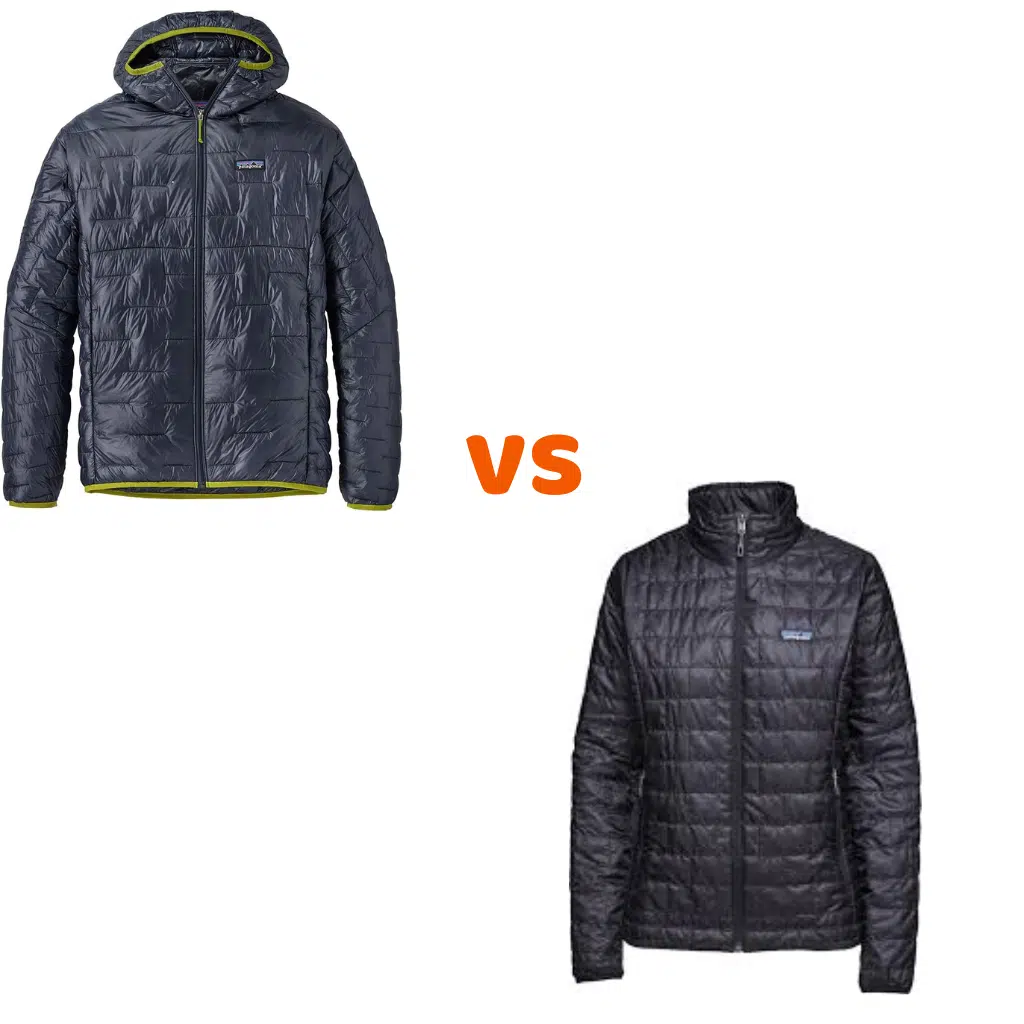
Patagonia Micro Puff VS Nano Puff
Content

I’m Kyle,
I handle the outdoor content and gear recommendations, ensuring our blog stays top-notch. When I am not working, you will find me by the closest river or forest.
Best Overall Backpack
Best Value Backpack
VV’s Patagonia Micro Puff vs Nano Puff
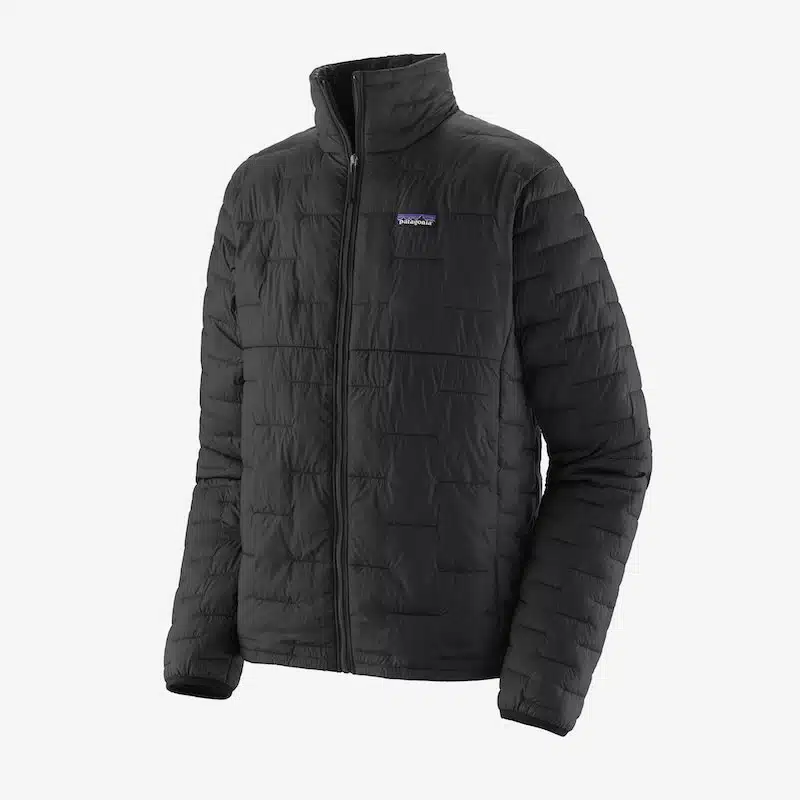
- Best for lightweight backpacking and climbing: Patagonia Micro Puff
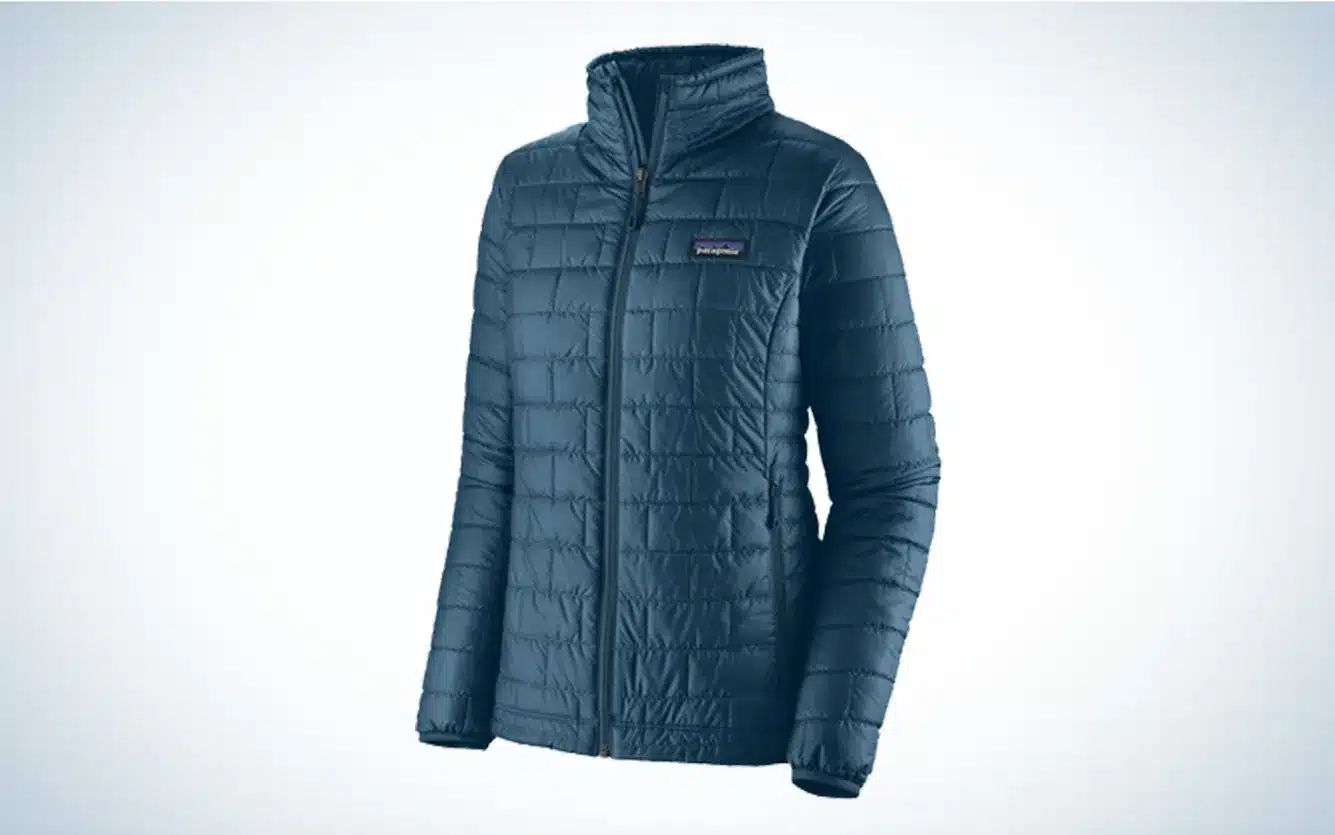
- Best for urban wear and outdoor activities: Patagonia Nano Puff
This article may contain affiliate links, they will never cost you more money but helps Veggie Vagabonds keep making content like this – thank you!
Best Patagonia Jackets: VV’s Top Pic
Table of Contents
- Best Camping Chair: VV’s Top Picks
- Best Luxury Camping Chair
- Best Overall Camping Chair
- Best Lounging Camping Chair
- Best Budget Friendly Camping Chair
- Best Backpacking Camping Chair
- Best Camping Rocking Chair
- Best Picnic & Casual Chair
- Why a Good Camping Chair Matters
- Key Features to Consider
- Different Types of Camping Chairs
- Vegan Camping Chairs: Ethical Choices for Conscious Campers
- Final Thoughts: Making the Right Camping Chair Choice
- (FAQs) About Choosing the Perfect Camping Chair
Best Lightweight
Best Lightweight
Key Features
- Warmth-to-Weight Ratio: Excellent warmth with minimal weight, perfect for ultralight activities.
- Packability: Compresses into its own pocket, ideal for saving space.
- Durability: Lightweight fabric that’s less resistant to scrapes and scuffs.
- Weather Resistance: Moderate, with a durable water repellent finish (DWR).
- Versatility: Slim fit for layering under an outer shell.
Specifications
- SizeWomen’s XXS-XXL, Men’s XS-3XL
- Price$329
- Weight8.9 ounces (men’s medium)
- MaterialsPertex Quantum shell made of 100% postconsumer recycled nylon, PlumaFill insulation
- PocketsTwo zippered handwarmer pockets and two internal drop-in pockets
VV Rating
Who Is It Good For
Ideal for lightweight backpacking, climbing, and activities needing minimal weight and maximum packability. Perfect for those who prioritize weight savings and need a jacket that packs down small without sacrificing warmth. Great for adventurers who often encounter wet conditions but still need insulation that performs well when damp.
What We Liked
- Incredibly lightweight and packable.
- Stays warm even when wet.
- High warmth-to-weight ratio.
To Be Mindful Of
- Less durable compared to thicker options.
- Higher price point.
Best Versatile
Best Versatile
The Nano Puff offers a good balance of warmth, weight, and durability. It features PrimaLoft Gold Insulation Eco, which performs well even in wet conditions, and is more durable due to its thicker outer shell. It is versatile enough for both urban wear and outdoor activities.
Key Features
- Warmth-to-Weight Ratio: Provides sufficient warmth with moderate weight.
- Packability: Packs into its own pocket for convenience.
- Durability: More abrasion-resistant than the Micro Puff.
- Weather Resistance: Excellent in wet conditions with DWR finish.
- Versatility: Regular fit for easy layering and broad use cases.
Specifications
- SizeWomen’s XXS-XXL, Men’s XS-3XL
- Price$239
- Weight11.9 ounces (men’s medium)
- MaterialsPert100% recycled polyester ripstop with a PFC-free DWR finish, 60 grams PrimaLoft Gold Insulation Eco
- PocketsTwo zippered handwarmer pockets and an internal zippered chest pocket that doubles as a stuff sack
VV Rating
Who Is It Good For
Ideal for lightweight backpacking, climbing, and activities needing minimal weight and maximum packability. Perfect for those who prioritize weight savings and need a jacket that packs down small without sacrificing warmth. Great for adventurers who often encounter wet conditions but still need insulation that performs well when damp.
What We Liked
- Incredibly lightweight and packable.
- Stays warm even when wet.
- High warmth-to-weight ratio.
To Be Mindful Of
- Less durable compared to thicker options.
- Higher price point.
Lets Talk a Little More on Features
When you’re heading into the great outdoors, your jacket becomes an essential part of your gear, providing not just warmth but also versatility, comfort, and protection from the elements. Both the Nano Puff and Micro Puff jackets are packed with innovative technologies and thoughtful design elements that make them stand out amongst other competitors. Let’s take a closer look into what makes each one special.
Nano Puff: This jacket features PrimaLoft Gold Insulation Eco, delivering excellent warmth without the bulk. Its durable water-repellent (DWR) finish and windproof fabric protect you from the cold, while the stylish quilted pattern traps heat inside keeping you warm. It’s packed with practical features like a zippered internal chest pocket that doubles as a stuff sack and two cozy handwarmer pockets. Personally I love these features as I’m always carrying ten million things in my pockets, from car keys to mobiles to snacks and cars for our son.
Micro Puff: The Micro Puff takes things to the next level with its’ PlumaFill insulation, which imitates the best qualities that come with down and performs exceptionally well in wet conditions. It boasts an ultralight, water-resistant outer shell and innovative quilting for maximum warmth. Its standout features include unmatched packability and featherlight weight, perfect for those who prioritize efficiency and minimalism, like myself.
Both jackets come with a full-zip front, elasticized cuffs, and an adjustable drawcord hem, ensuring a customizable fit and enhanced heat retention. Despite their lightweight design, these jackets don’t compromise when it comes to warmth or durability, which highlights Patagonia’s commitment to quality and sustainable design.
Why a Good Camping Chair Matters
Let’s face it—getting close to nature doesn’t mean you have to settle for sitting on a log or the cold, hard ground. A solid camping chair can make all the difference to your time outdoors. Whether you’re setting up for a weekend in the woods or just kicking back on the beach, a good chair can save you from the discomfort of back pain and soggy ground. Plus, let’s be honest, it’s way more fun to sip your coffee from a cozy chair than squatting awkwardly on a rock.
If you’re someone who’s into living ethically (we definitely are), choosing a camping chair made from sustainable materials is a win-win. Not only do you get to lounge in comfort, but you can also feel good knowing you’re supporting eco-friendly practices. The right chair isn’t just about comfort; it’s about making choices that protect our planet.
Feature Comparison: Nano Puff vs. Micro Puff
| Feature | Nano Puff | Micro Puff |
|---|---|---|
| Insulation | PrimaLoft Gold Insulation Eco (60-g) | PlumaFill Insulation (65-g) |
| Weight | ~11.9 oz (337 g) for men’s medium | ~8.3 oz (235 g) for men’s medium |
| Packability | Packs down small, with a stuff sack | Packs down smaller than Nano Puff |
| Warmth | Excellent warmth-to-weight ratio | Slightly better warmth-to-weight ratio |
| Weather Resistance | Water-resistant, windproof | Water-resistant, windproof |
| Durability | Highly durable, 20D recycled polyester | Slightly less durable, 10D recycled nylon |
| Sustainability | 55% recycled content, Fair Trade Certified sewing | Fair Trade Certified sewing, uses less material for similar warmth |
| Price | Generally less expensive than Micro Puff | Typically more expensive due to newer technology |
Temperature Ratings
Patagonia doesn’t publish temperature ratings for their jackets as warmth is subjective and can vary based on numerous factors, including activity level, layering, and personal metabolism. Both jackets are designed as mid-layers or outer layers in mild to cool conditions, and their performance can be significantly boosted when paired with an appropriate base layer and outer shell.
Ideal Use Cases
| Scenario | Nano Puff | Micro Puff |
|---|---|---|
| Backpacking | ✓ | ✓✓ |
| Climbing | ✓✓ | ✓ |
| Skiing/Snowboarding | ✓✓ | ✓ |
| Urban Exploration | ✓✓ | ✓ |
| Ultralight Adventures | ✓✓ |
Backpacking
Micro Puff: Ultra-packable and lightweight, this jacket is perfect for thru-hikers. It offers exceptional warmth without weighing you down and is water-resistant and windproof for unexpected weather.
Rock Climbing and Mountaineering
Nano Puff: Built tough for rough terrains and rock surfaces, with synthetic insulation to keep you warm. It layers comfortably under a harness, making it ideal for climbing adventures. These jackets are durable enough to handle any 5-year-old, so you know it’s built tough!
Skiing and Snowboarding
Nano Puff: Durable and warm, this jacket is perfect for the ski slopes. It’s both windproof and water-resistant, making it ideal for lifts and mountain runs.
Urban Adventure and Daily Wear
Nano Puff & Micro Puff: Both jackets fit effortlessly into urban lifestyles. Choose Nano Puff for its unrivalled durability and Micro Puff for its easy, lightweight, packable convenience.
Bikepacking and Fastpacking
Micro Puff: Ideal for quick, easy adventures. It packs down efficiently and provides warmth when you need it.
When it comes to choosing between the Nano Puff and the Micro Puff, it really boils down to your personal adventures. If you’re looking for something that can handle a bit of everything and stand up to some rough and tumble use, the Nano Puff is your go-to. Its durability and versatility make it a reliable companion for a wide range of activities, from urban explorations to rugged outdoor adventures.
On the other hand, if you’re someone who counts every ounce and needs something that packs down to almost nothing, the Micro Puff is a dream come true. Its ultralight design and impressive packability make it perfect for those fastpacking trips or thru-hikes where space and weight are at a premium.
Think about what you’ll be doing most often and what you value in your gear. Are you tackling rough terrains and need something that can take a beating? Or are you all about lightweight efficiency and compact packing? By aligning your choice with your specific needs, you’ll find the jacket that will enhance your outdoor experience and make each adventure more enjoyable.
Care and Maintenance: Ensuring Your Patagonia Puff Stays Puffy
Washing Your Jacket:
- Zip It Up: Close all zippers to protect them.
- Spot Clean: Use mild detergent and warm water.
- Machine Wash Warm: Turn the jacket inside out, use mild powder detergent, gentle cycle, and warm water.
Drying Your Jacket:
- Gently Squeeze Out Excess Water: Avoid wringing.
- Tumble Dry Low: Use low heat with clean tennis balls or dryer balls.
- Patience is Key: Multiple cycles may be needed.
Storage Tips:
- Avoid Compression: Hang it up or store it loosely on a coat rack.
- Cool, Dry Place: Keep away from direct sunlight and in a cool dry area.
Quick Fixes for Minor Repairs:
- Repair Kit: Use gear repair patches for small holes or tears.
- Professional Help: For major issues, use Patagonia’s repair services.
Caring for your Patagonia jacket preserves its functionality and prolongs its life. Follow these tips to keep your jacket in top shape.
Comparative Analysis: Lightweight Jackets Across Brands
| Feature/Brand | Patagonia Nano Puff | Patagonia Micro Puff | The North Face ThermoBall Eco | Arc’teryx Atom LT Hoody | REI Co-op 650 Down Jacket 2.0 |
|---|---|---|---|---|---|
| Review | Review | Review | Review | Review | Review |
| Insulation Type | Synthetic (PrimaLoft Gold Insulation Eco) | Synthetic (PlumaFill) | Synthetic (ThermoBall Eco) | Synthetic (Coreloft) | Down (650-fill-power down) |
| Weight | ~11.9 oz (337 g) | ~8.3 oz (235 g) | ~15.9 oz (450 g) | ~13.2 oz (375 g) | ~10.8 oz (306 g) |
| Packability | High | Very High | High | Moderate | High |
| Warmth-to-Weight | Excellent | Superior | Good | Excellent | Very Good |
| Water Resistance | Yes | Yes | Yes | Yes | No |
| Durability | High | Moderate | High | High | Moderate |
| Sustainability | High (55% recycled content) | Moderate | Moderate (Recycled materials) | Low | High (Responsible Down Standard) |
| Price Range | $$$ | $$$$ | $$$ | $$$$ | $$ |
Key Takeaways and Comparison Insights
Warmth-to-Weight Ratio
The Micro Puff is unbeatable for its warmth-to-weight ratio, making it a top pick for backpackers who like to travel light. Similarly, Arc’teryx’s Atom LT Hoody excels in this area thanks to its Coreloft insulation.
Sustainability
Patagonia shines with its sustainability, using recycled materials in both the Nano Puff and Micro Puff. The REI Co-op’s 650 Down Jacket 2.0 also emphasizes ethical sourcing with its Responsible Down Standard certification.
Water Resistance
Both Patagonia jackets offer outstanding water resistance, similar to The North Face ThermoBall Eco and Arc’teryx Atom LT Hoody, making them versatile for various weather conditions. The REI Co-op jacket, while warm, isn’t as water-resistant as its synthetic counterparts. This is due to the synthetic materials drying a lot faster.
Durability vs. Weight
The Nano Puff strikes a perfect balance between durability and weight, ideal for activities such as climbing and skiing. The North Face ThermoBall Eco is durable but heavier, whereas the Micro Puff focuses on being ultralight, which might affect its ruggedness over time. A super robust jacket is usually that little bit heavier.
Price Consideration
Price is always a factor. The Micro Puff is on the higher end, reflecting its advanced technology and packability. On the other hand, the REI Co-op’s 650 Down Jacket 2.0 offers great value for warmth and affordability.
Which Jacket Wins Your Heart?
Choosing between the Nano Puff and Micro Puff means finding the perfect fit for your adventures. Both jackets highlight Patagonia’s innovation and dedication to sustainability.
- Nano Puff: Offers a classic style, warmth, and durability.
- Micro Puff: Provides ultralight efficiency and comfort.
Consider the conditions you’ll face, the activities you enjoy, and your commitment to sustainability. Both jackets deliver top quality performance and eco-friendly efforts, perfect for the conscious adventurer. Whether you prioritize warmth, weight, durability, or price, there’s a jacket here that will meet your needs and suit your values.
The best jacket is the one that aligns with your outdoor adventure criteria and fits your personal ethos towards sustainability and environmental responsibility. Happy adventuring!
Key Features to Consider
When you’re on the hunt for the perfect camping chair, there are a few key things to keep in mind:
- Comfort: This is non-negotiable. Look for chairs with decent padding, supportive backrests, and ergonomic designs. After a long hike, you’ll want something that hugs your tired muscles.
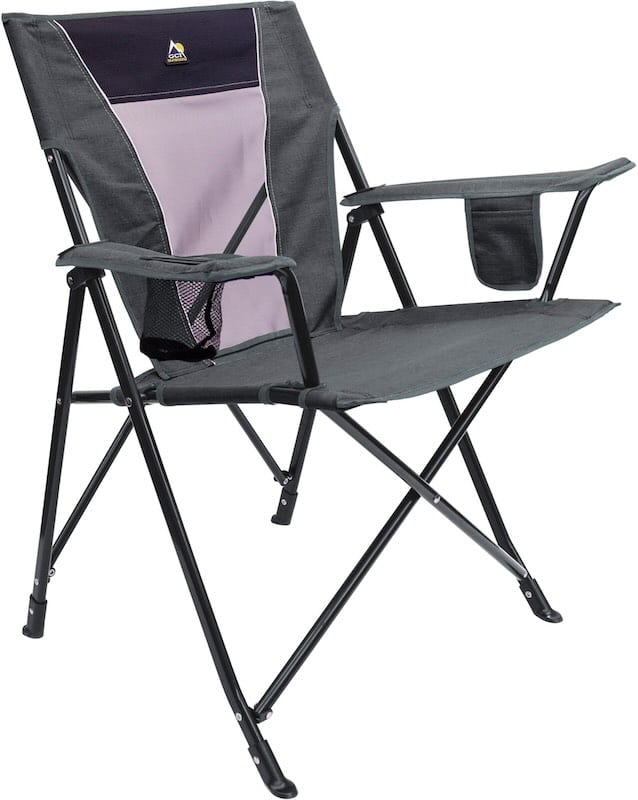
- Portability: Think about how far you’ll be lugging that chair. If you’re backpacking, lightweight and compact is the way to go. For car camping, you can afford a little more bulk if it means additional comfort. This is especially true if you’re gearing up for a backpacking adventure and need to keep your pack light. Just like how you’d carefully choose between the Patagonia Micro Puff and Nano Puff jackets for the right balance of warmth and weight, selecting a lightweight camping chair can make all the difference on the trail.
- Durability: A good camping chair should stand up to the elements. Whether it’s rain, sun, or a bit of rough handling, you need something that won’t fall apart after only one season.
- Ease of Use: You don’t want to wrestle with your chair while setting it up. Simplicity is key—look for chairs that are easy to unfold and pack away without a hassle.
- Sustainability: If you’re serious about minimizing your environmental impact, opt for chairs made from recycled materials or those produced by companies with strong ethical manufacturing practices. Consider looking into other vegan outdoor gear that aligns with your values. Pair this with a sustainable backpack to ensure your entire setup is eco-friendly, giving you peace of mind as you enjoy the great outdoors.
- Extra Features: Cup holders, storage pockets, or even built-in coolers can make your camping experience that much better—just don’t let the extras weigh you down too much; please keep this in mind.
Different Types of Camping Chairs
Not all camping chairs are created equal. Here’s a quick rundown of the different types:
- Standard Camping Chairs: These are your go-to for a balance of comfort, portability, and durability. Think armrests, cup holders, and a basic fold-up design.
- Backpacking Chairs: Ultra-light and compact, these are designed for those who need to keep their gear light. They might sacrifice a bit on comfort, but they’re perfect for long treks.
- Reclining Camping Chairs: For those who like to kick back and relax, reclining chairs offer the ability to lean back or even rock. They’re bulkier but ideal for car camping.
- Loveseat Camping Chairs: Perfect for couples or families, these are wider and designed to fit two people. Great for cozying up by the fire with a blanket on a chilly night.
- Specialty Chairs: Some chairs come with unique features such as built-in canopies, footrests, or are designed to hold extra weight. These are tailored for specific needs or preferences.

I’m Bianca Moore, and the outdoors has been my playground for as long as I can remember. Whether it’s camping trips with my husband and our two wild boys or wandering the mountains of India, I’m happiest when I’m out in nature. You’ll usually find us hiking trails, setting up camp, or trying to spot the next bird for my ever-growing list (yes, I’m a total birdwatching nerd).
Between chasing after the kids and chasing after birds, life’s an adventure, and I wouldn’t have it any other way :).